

Biocomposites
Engineering plant-based composites for automotive and packaging programs with tested mechanical properties. We supply fiber specifications, resin pairings, and technical guidance to reduce risk and lower the carbon footprint of industrial components.
Plant-based biocomposites are advanced materials formed by reinforcing bio-based or conventional polymers with natural plant fibers, along with renewable fillers like starch. This combination creates lightweight, high-strength materials with reduced environmental impact compared to traditional composites.
Aligned with Saudi Vision 2030, our biocomposite solutions such as using hemp fiber support industrial diversification and material innovation, providing a verified pathway for the transition toward resource-efficient, low-carbon manufacturing.
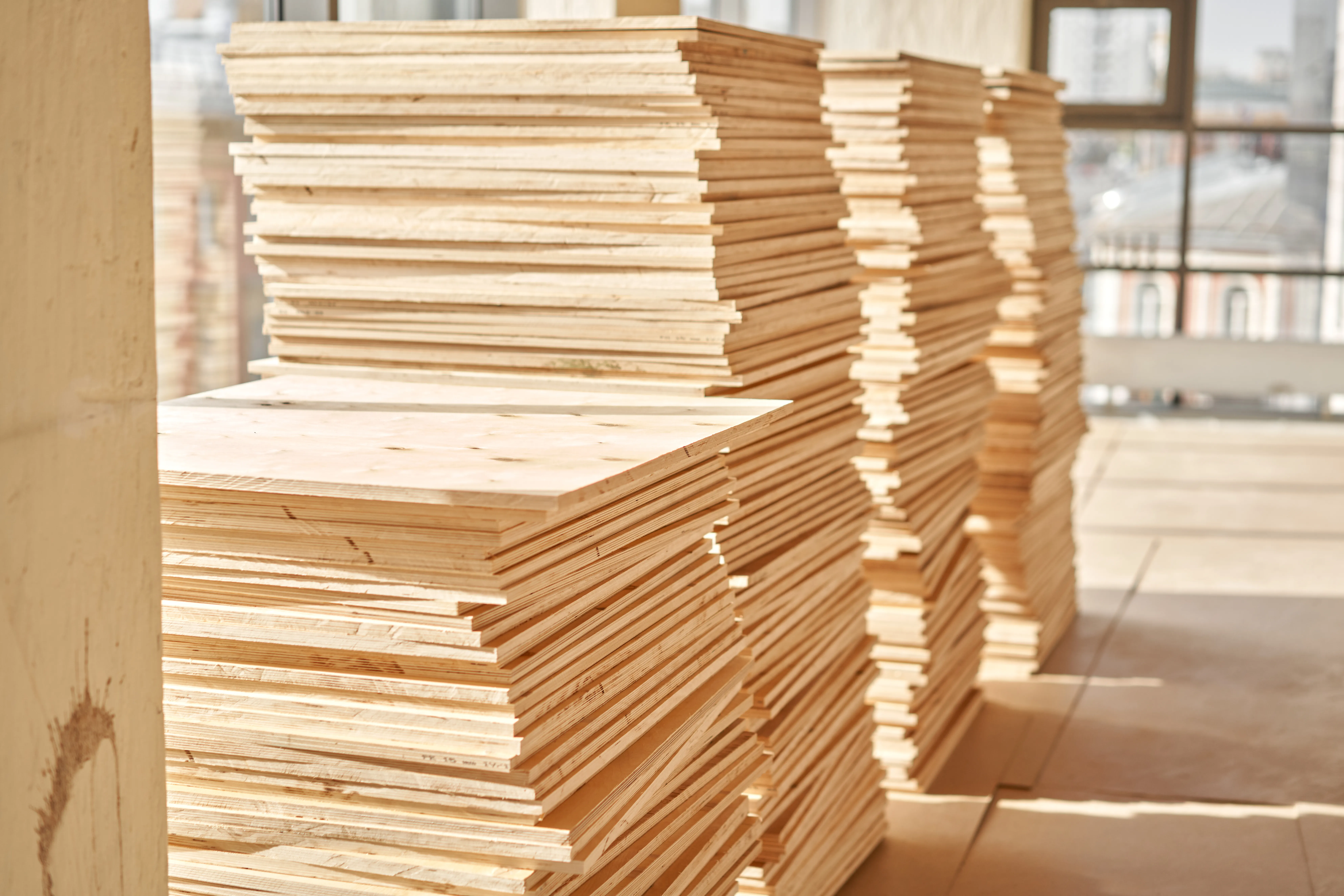
Fiber modification the process of mechanically and chemically treating high-purity hemp fibers to ensure good resin bonding.
Advanced molding the process of creating high-performance industrial components using compression molding or 3D printing methods.
Performance validation conducting extensive stress, temperature, and durability tests to ensure compliance with production standards.
Replacing traditional plastics with high-specific- strength bio-composites engineered for automotive and industrial excellence.

Strength
Superior mechanical performance that reduces component weight without sacrificing structural integrity.

Vibration Damping
Natural acoustic and vibration absorption properties, ideal for automotive and industrial housings.
Low Embodied Carbon
Significant reduction in manufacturing emissions compared to traditional glass fiber or petroleum-based resins.

National Supply Chain
Locally sourced raw materials that strengthen Saudi Arabia’s industrial autonomy and material security.