
Introduction
Turning agricultural waste into biochar represents a transformative opportunity for Saudi Arabia to enhance soil health, reduce emissions, and advance circular economy practices. Waste-to-biochar technologies are emerging as effective solutions to improve climate resilience, support land restoration, and promote sustainable agriculture.
What is biochar
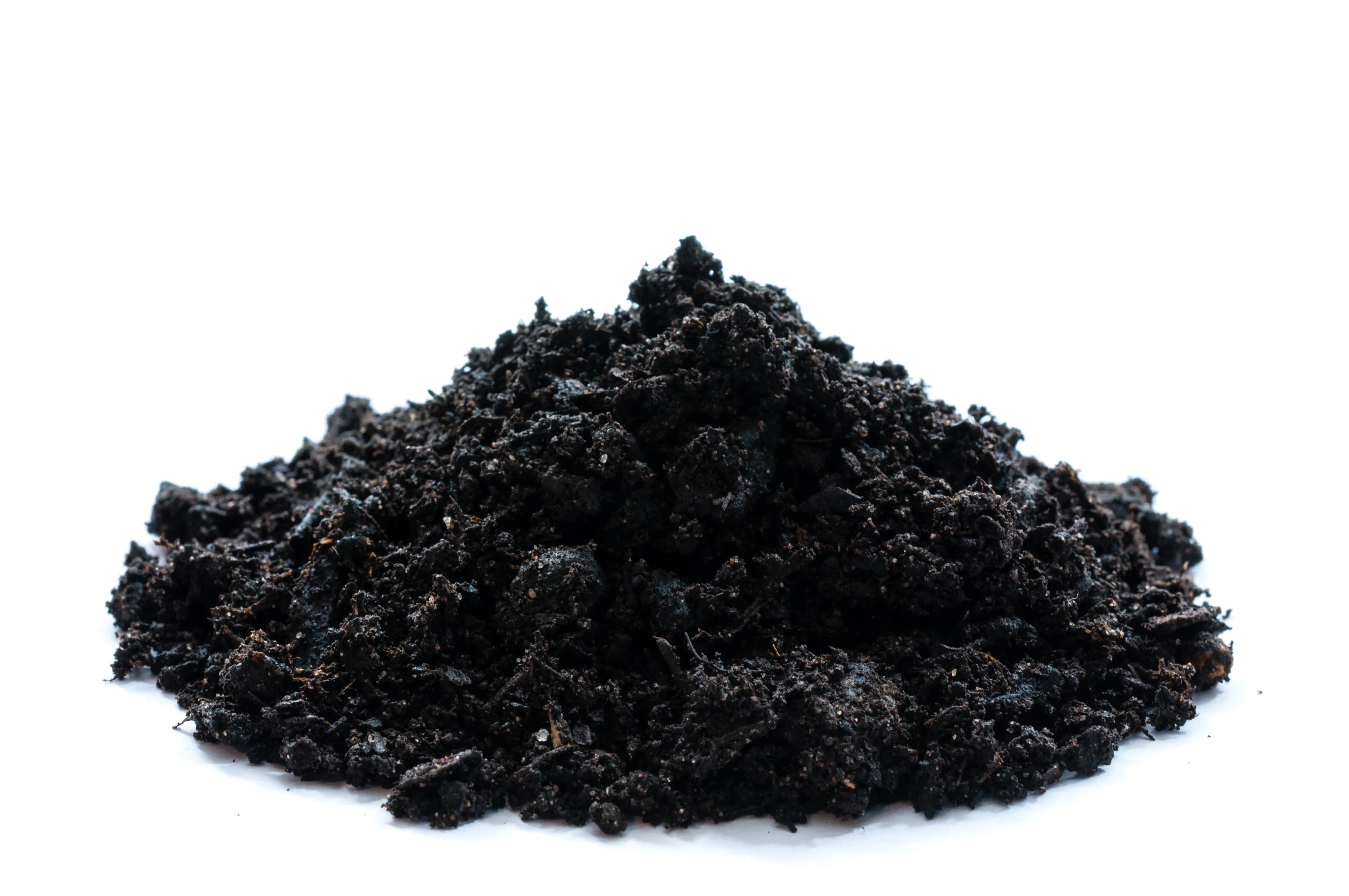
Biochar is a charcoal-like substance produced by pyrolysis, a process that burns organic materials like agricultural and forestry wastes in a low-oxygen environment. This method generates minimal contaminating emissions and results in the formation of biochar, a stable carbon compound.Furthermore, the heat produced by pyrolysis can be used to produce clean energy.
Why desert Soils need biochar
Desert soils need biochar to overcome extreme infertility, low water retention, and poor structure, transforming sandy, arid land into productive soil.
How biochar improves desert soil performance
Enhancing soil and compost properties
Soil degradation is a major concern in agriculture globally. To address this burgeoning problem, researchers suggested applying biochar to degraded soils in order to enhance its quality. Some of the ways that biochar may help improve soil quality include:
- enhancing soil structure
- increasing water retention and aggregation
- decreasing acidity
- reducing nitrous oxide emissions
- improving porosity
- regulating nitrogen leaching
- improving electrical conductivity
- improving microbial properties
Supporting sustainable compositing
Biochar is also found to be beneficial for composting, since it reduces greenhouse gas emissions and prevents the loss of nutrients in the compost material. It also promotes microbial activity, which in turn accelerates the composting process. Plus, it helps reduce the compost’s ammonia losses, bulk density and odor.
Key environmental and agriculture benefit
Biochar offers a wide range of benefits for both agriculture and the environment:
- Water retention: Soils enriched with biochar hold water much longer—an advantage in drought conditions.
- Nitrogen stabilisation: Biochar helps keep nitrogen in the soil rather than allowing it to escape into the atmosphere as a greenhouse gas.
- Support for soil biology: Its porous structure provides an ideal habitat for microorganisms, leading to the formation of humus and long-term improvements in soil fertility.
- Carbon storage: The carbon stabilised through pyrolysis remains locked in the soil for centuries.
Case Study: Greening the Desert in Saudi Arabia
A project in Saudi Arabia shows how biochar performs even in extreme climates. A traditional date palm plantation is being transformed into a sustainable permaculture system.
- Biochar improves the soil’s ability to retain water.
- Plants develop greater resistance to drought.
- Nitrogen fertiliser is absorbed more effectively, enhancing long-term soil fertility. This example illustrates how biochar protects soils and supports food production in harsh environments. Sonnenerde and Carbon Standards International demonstrate that sustainable soil management works hand in hand with climate protection.
Conclusion
Turning agricultural waste into biochar offers Saudi Arabia a practical, science-based solution to improve desert soils, reduce emissions, and unlock value from biomass resources. By integrating biochar into agricultural, environmental, and waste management strategies, the Kingdom can accelerate progress toward Vision 2030 for sustainable land and climate solutions.