
Hemp Cultivation: A Sustainable Future for Saudi Arabia
Saudi Arabia's Vision 2030 emphasizes environmental sustainability and economic diversification. Hemp cultivation represents a significant opportunity to achieve both goals while addressing the Kingdom's unique environmental challenges.
The Environmental Benefits of Hemp
Hemp is one of the most environmentally friendly crops available. Unlike traditional crops, hemp:
- Requires minimal water - Perfect for Saudi Arabia's arid climate
- Improves soil health - Deep roots prevent erosion and add organic matter
- Captures carbon - Absorbs more CO2 per hectare than many trees
- No pesticides needed - Naturally resistant to pests and diseases
Vision 2030 Alignment
The cultivation of hemp aligns perfectly with several Vision 2030 objectives:
Economic Diversification
Hemp can be processed into over 25,000 different products, creating multiple revenue streams from construction materials to textiles and food products.
Environmental Sustainability
As a carbon-negative crop, hemp cultivation contributes to the Kingdom's goal of achieving net-zero emissions by 2060.
Food Security
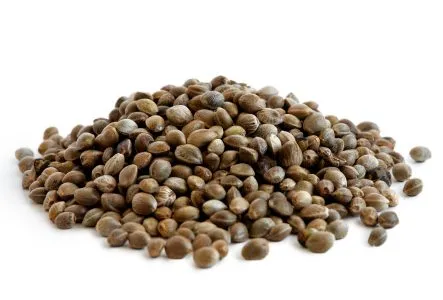
Hemp seeds are highly nutritious and can supplement Saudi Arabia's food security initiatives while requiring minimal water resources.
Green Desert's Role
At Green Desert, we're pioneering sustainable hemp cultivation techniques specifically adapted for the Saudi climate. Our research focuses on:
- Water-efficient growing methods
- Soil improvement through hemp cultivation
- Creating value-added products from hemp biomass
- Training local farmers in sustainable practices
The Future is Green
Hemp cultivation represents more than just an agricultural opportunity - it's a pathway to a more sustainable and economically diverse Saudi Arabia. By embracing this ancient crop with modern techniques, we can build a greener future for generations to come.
For more information about Green Desert's hemp cultivation initiatives, contact our team of agricultural specialists.