
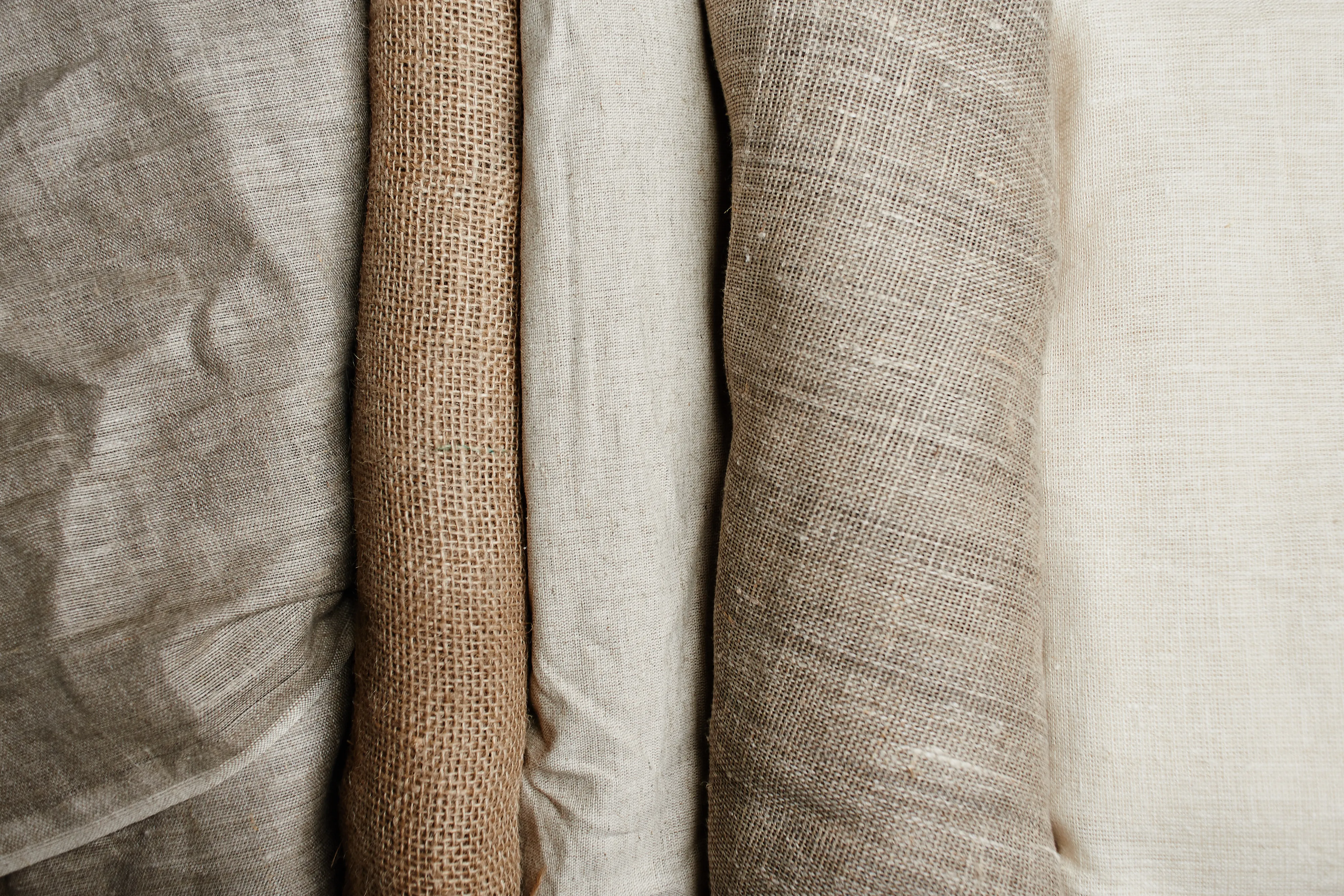
Hemp Fiber: The Future of Green Textiles
Introduction
Hemp fiber is emerging as a powerful solution for sustainable textiles, offering high performance with a significantly lower environmental impact. As the global textile industry seeks cleaner and more responsible materials, hemp provides a renewable, durable, and environmentally friendly alternative to conventional fibers.
What is Hemp Fiber?
Hemp fiber comes from the stalk of the hemp plant and has been used for thousands of years to produce textiles and ropes. The fibers are strong and breathable, making them suitable for a wide range of textile applications. Unlike many conventional materials, hemp requires minimal processing and relies on natural growth conditions, reducing its environmental footprint.
Why Hemp is a Sustainable Textile Material
Hemp stands out as a sustainable fiber due to its efficient use of natural resources and regenerative growth properties.
- Requires significantly less water than conventional textile crops
- Grows without the need for synthetic pesticides
- Improves soil health through natural cultivation
- Fully biodegradable and renewable These characteristics make hemp an environmentally responsible choice for textile production.
Benefits of Hemp Textiles
Environmental Benefits
Hemp cultivation supports sustainable agriculture by reducing chemical use and conserving water. The plant also absorbs carbon dioxide during growth, contributing to climate mitigation efforts.
Performance Benefits
Hemp fibers are naturally strong and durable, allowing fabrics to maintain quality over time. They are breathable, moisture-resistant, and suitable for both warm and moderate climates.
Economic and Industry Impact
Hemp textiles offer an alternative to resource-intensive materials while supporting the transition toward circular economy practices. Growing demand for sustainable products is increasing interest in hemp-based fabrics worldwide.
Applications of Hemp Fiber
Hemp fiber can be used across multiple sectors, including:
- Clothing and fashion textiles
- Home textiles and furnishings
- Industrial fabrics and composites Its versatility makes it a key material for sustainable manufacturing.
The Future of Hemp in Sustainable Textiles
As innovation in green materials continues, hemp fiber is positioned to play a central role in transforming textile production. Its combination of environmental responsibility and high performance makes it a promising solution for reducing the environmental impact of the textile industry.
Conclusion
Hemp fiber represents a practical and sustainable path forward for the textile sector. By combining durability, resource efficiency, and environmental benefits, hemp supports the transition toward greener, more responsible textile production.